
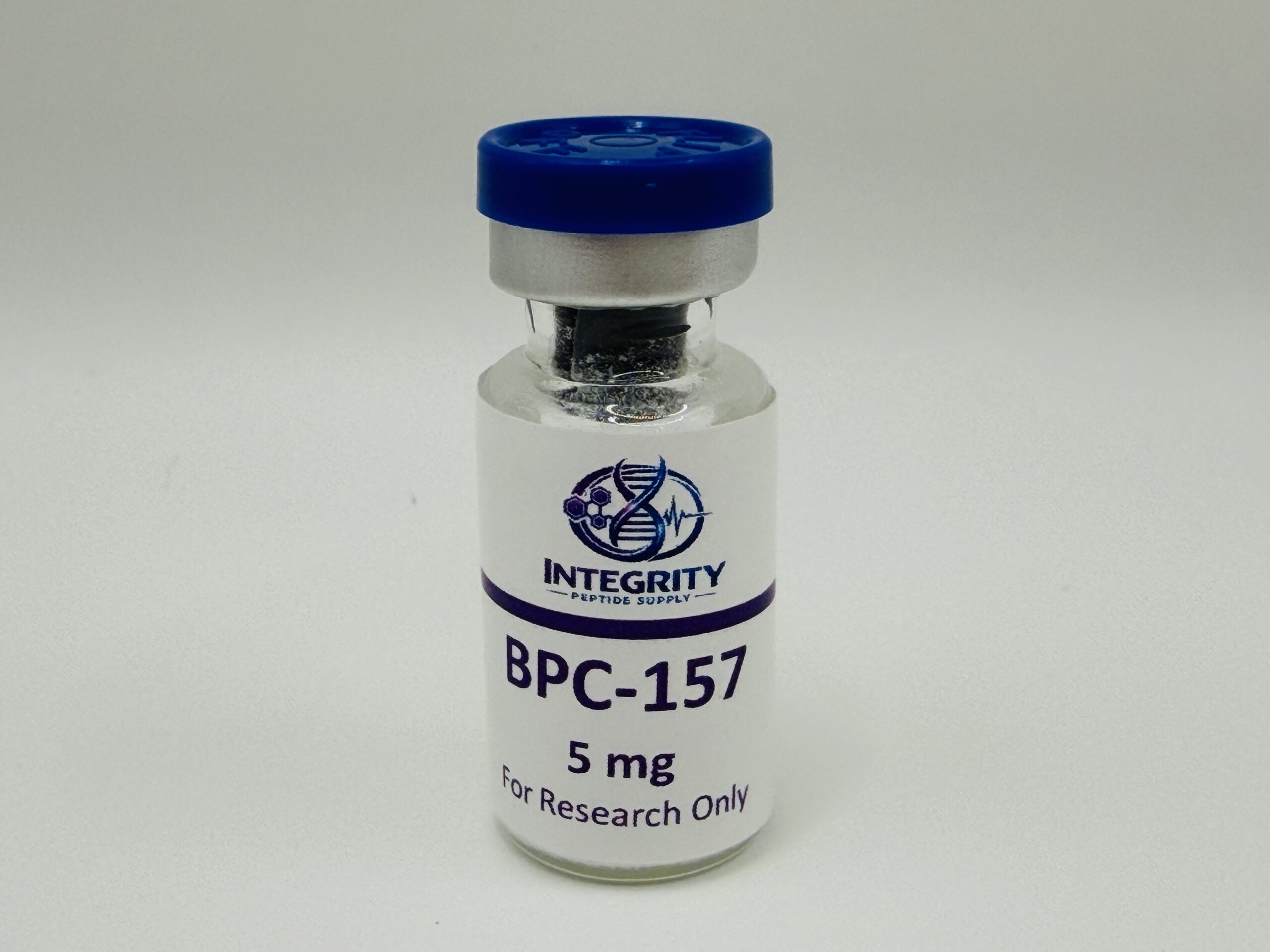
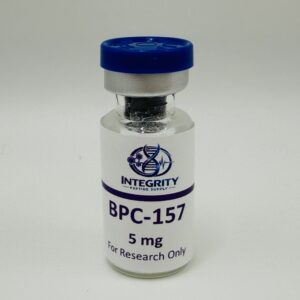
BPC-157 (Body Protection Compound-157) is a synthetic peptide of 15 amino acids that has become widely discussed in research and wellness communities because of its potential healing and regenerative effects — especially for tissue repair, tendon and ligament recovery, and gut health. However, it’s important to be clear: it is not an FDA-approved medicine, dietary supplement, or therapeutic agent for humans; most data are preclinical or anecdotal, and its use remains experimental.
⸻
🧬 What BPC-157 Is
•Structure: A pentadecapeptide — that means 15 amino acids in a chain — originally developed based on a fragment of a larger “body protection” protein studied in early research.
•Origin: Although often described as derived from human gastric (stomach) juice, independent confirmation that BPC-157 naturally exists in the human body is lacking; it is best understood as a synthetic research compound.
•Status: Investigational — FDA does not approve BPC-157 for any medical use and has identified it as a compound with significant safety and regulatory concerns.
🧪 How It Works (Mechanisms Studied)
Though human research is limited, preclinical studies in cells and animals suggest several biological effects:
🔹 Tissue Healing & Regeneration
- BPC-157 appears to enhance recovery of muscle, tendon, ligament, bone, nerve, and gut tissues in animal models.
- It promotes angiogenesis (formation of new blood vessels), collagen synthesis, and cell migration — key steps in wound healing and repair.
🔹 Inflammation & Protection
- The peptide has shown anti-inflammatory effects and may protect tissues under stress (e.g., from injury or toxins).
- In some models it stabilizes blood vessels and helps maintain organ integrity after damage.
🔹 Vascular & Nitric Oxide Pathways
- BPC-157 influences pathways such as VEGFR2-Akt-eNOS that support blood flow and vascular repair, which may underlie some of its regenerative actions.
Reviews
There are no reviews yet.