
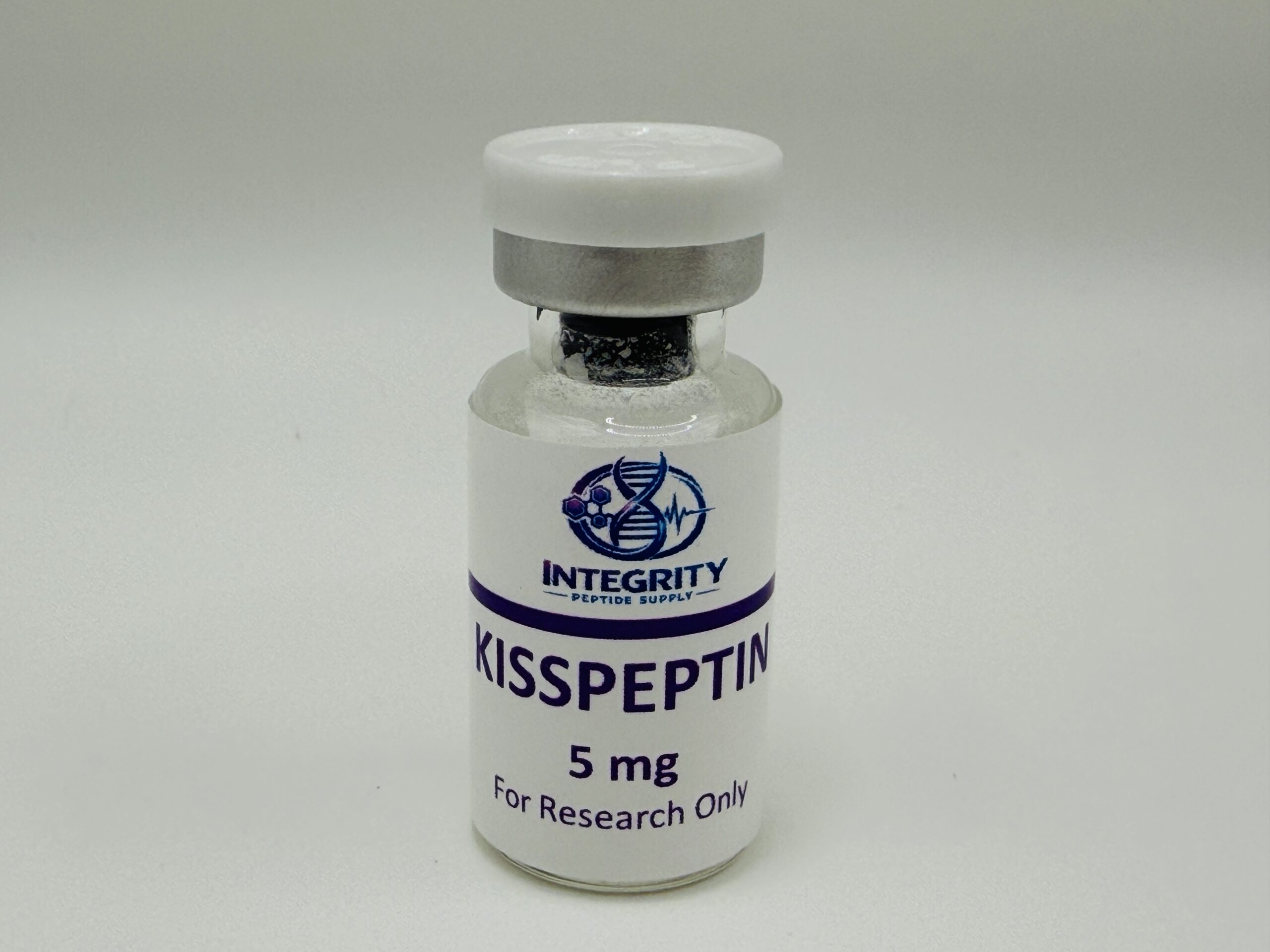
Kisspeptin is a naturally occurring neuropeptide that plays a central physiological role in regulating reproductive hormone systems and related brain functions. It’s been the focus of significant research in endocrinology and reproductive biology.
🧬 What Kisspeptin Is
- Type of peptide: Kisspeptin is a family of peptides encoded by the KISS1 gene. The full-length form is Kisspeptin-54, but shorter fragments like Kisspeptin-10 also retain biological activity.
- Key receptor: It acts by binding to the G-protein coupled receptor GPR54, also called KISS1R.
- Main biological role: Kisspeptin stimulates the release of gonadotropin-releasing hormone (GnRH) from the hypothalamus — the first step of the reproductive hormone cascade.
📊 Research & Potential Clinical Roles
Extensive research — including human clinical studies — has explored kisspeptin’s effects:
🔹 Reproductive hormone modulation
- In humans, kisspeptin administration increases LH and FSH, and in men may increase testosterone.
- In women, it has been used experimentally to trigger ovulation in IVF protocols, potentially reducing risk of ovarian hyperstimulation syndrome compared with traditional triggers.
🔹 Sexual desire and brain effects
- Studies show kisspeptin enhances limbic brain activity related to sexual arousal and bonding, with correlations to positive mood and reduced negative emotional processing.
🔹 Reproductive disorders
- Early clinical research explores kisspeptin’s potential in conditions like hypothalamic amenorrhea, hypoactive sexual desire disorder, and PCOS-related anovulation.


Reviews
There are no reviews yet.